
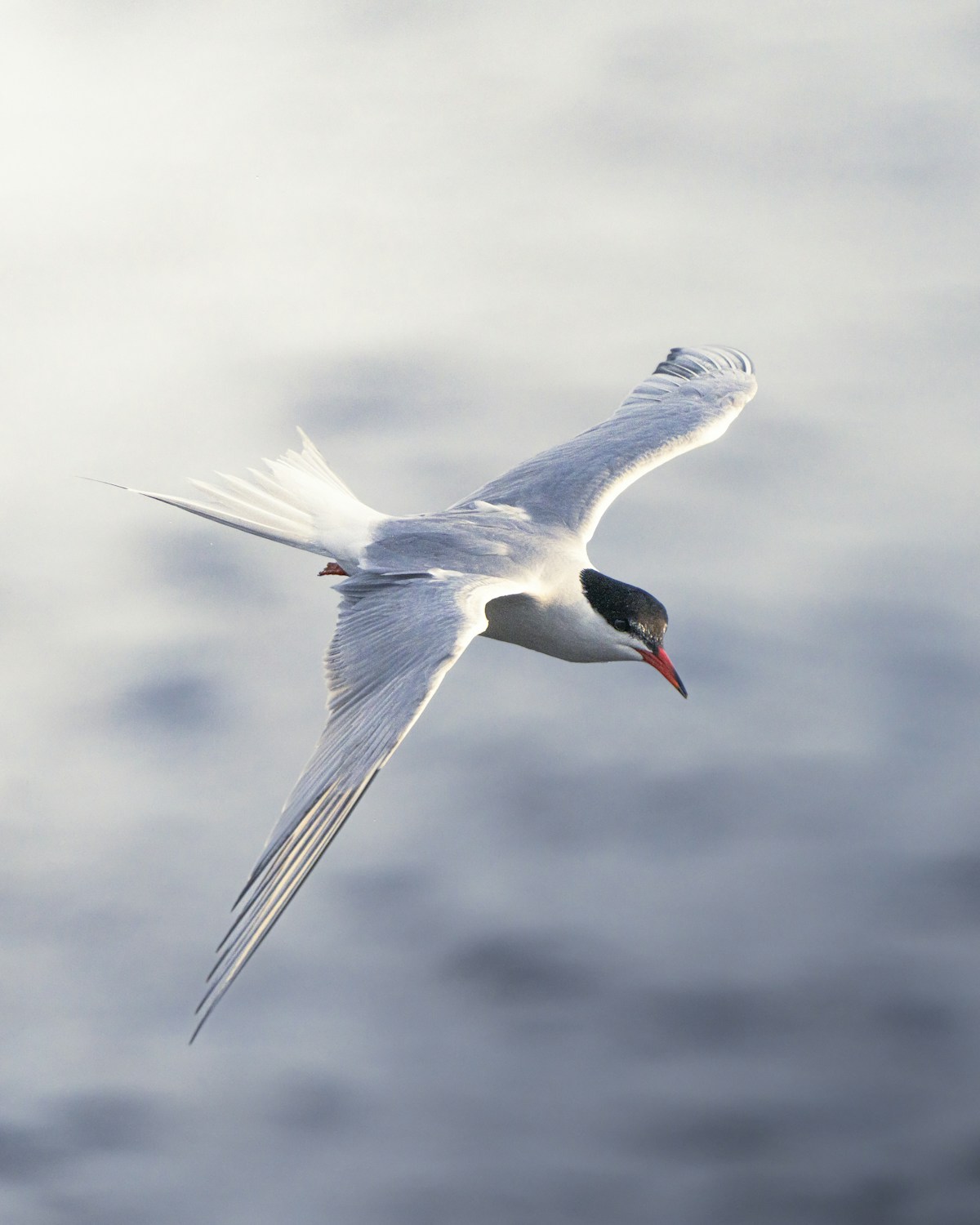
From 30 Nesting Pairs to 460 Nests in Five Years: Maryland's Common Terns Just Proved a Floating Raft Beats a Vanishing Island
Five years ago, Maryland's coastal bays held 30 nesting pairs of Common Terns. This year, biologists from the Maryland Department of Natural Resources and the Maryland Coastal Bays Program counted 460 nests -- 376 on a floating wooden raft near Ocean City and 84 more on the newly restored Reedy Island. That is not a modest recovery.
That is a population multiplying by roughly 15x in half a decade, and it happened because someone built the birds a replacement home instead of just writing a report about the one they lost.
The backstory matters here. Common Terns nest on low sandy islands, and the mid-Atlantic's barrier islands have been eroding for decades -- squeezed by rising seas, storms, and boat wakes. Rather than watch the colony blink out, DNR's Wildlife and Heritage Service and the Coastal Bays Program anchored a floating nesting raft in the bays. The first season drew 24 nests.
That is a real start, not an overnight miracle: the colony grew steadily, breaking 300 nests in each of the past three seasons before this year's jump to 460 combined across the raft and the restored island.
What convinces me this is a durable win rather than a one-year fluke is the recruitment data. Researchers band chicks, and this year they documented terns that hatched on the raft returning as adults to nest on the newly restored Reedy Island -- meaning the artificial habitat isn't just holding birds, it's producing birds that go on to found new colonies elsewhere.
Banded terns originally tagged at Poplar Island (another Maryland restoration project) and even in Hampton, Virginia and Argentina have also turned up nesting on the raft, which tells you the site is now pulling in birds from a genuinely wide range, not just recapturing local strays.
Common Terns aren't a flashy headline species -- no one is putting them on a tote bag -- which is part of why this story is worth telling. It's a working-class conservation win: cheap infrastructure (a floating wooden platform), sustained monitoring, and one restored island, applied consistently for five years, on a bird nobody was making a Netflix documentary about.
Delmarva Public Media's coverage this summer captured researchers describing the raft program as proof that mid-Atlantic waterbird colonies can be actively rebuilt, not just protected from further loss.
If a plywood raft in the Ocean City coastal bays can take a crashing shorebird population and turn it into the strongest coastal breeding season Maryland has documented in decades, it's a pretty good argument for funding unglamorous habitat engineering over one more strongly worded impact statement.
Original reporting
External source