
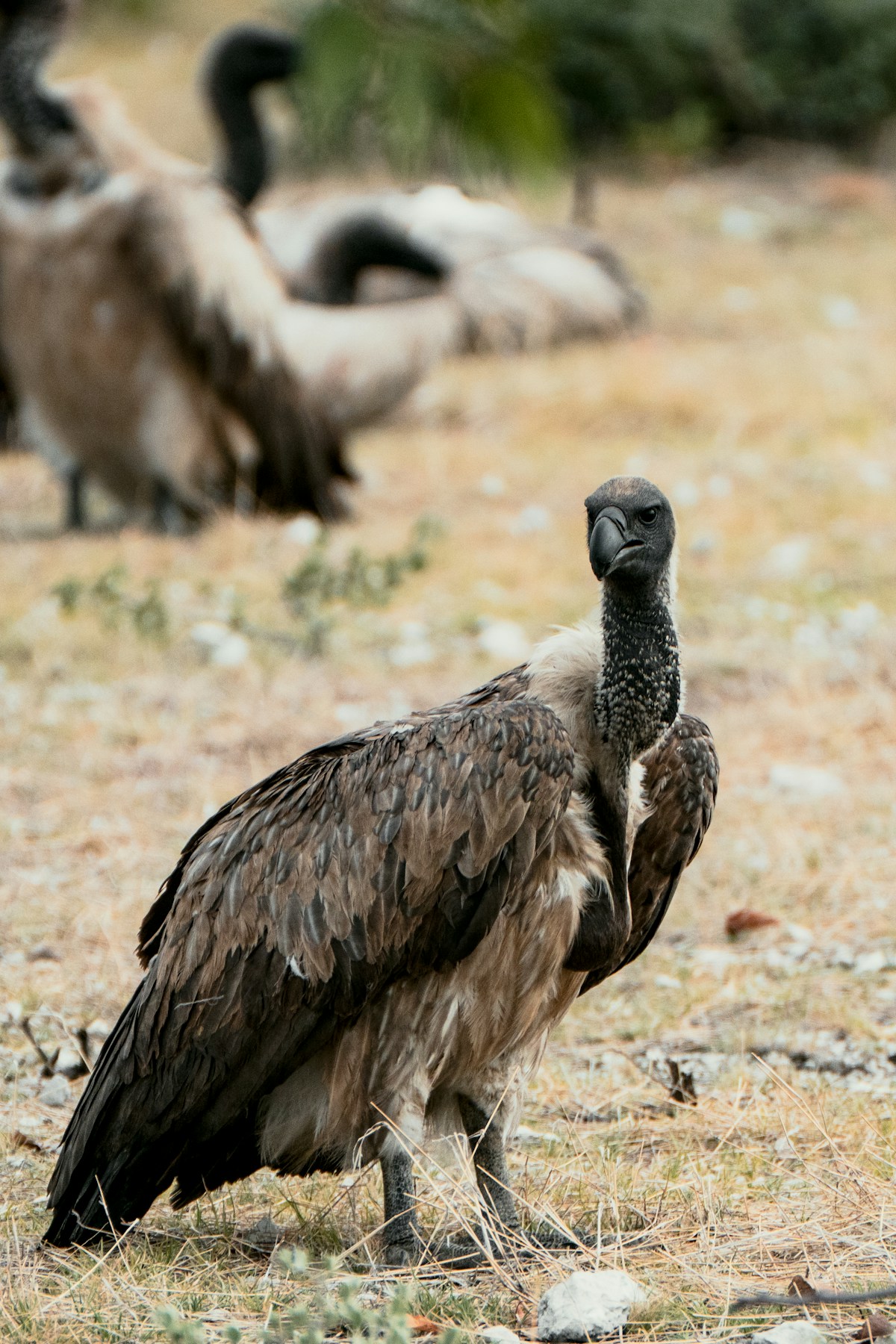
Sardinia's Griffon Vultures Went From 60 Birds to Over 500 -- Here's the Mechanism, Not Just the Number
Sardinia's griffon vultures were down to about 60 birds in 2014. Poisoning -- mostly from illegal baits set for foxes and stray dogs, which vultures then scavenge -- had pushed a population that numbered 800 to 1,200 birds in the 1930s to the edge of local extinction. As of early 2026, the count sits between 516 and 566 individuals, a 21% jump over 2024 alone, according to the Vulture Conservation Foundation and reporting from The Portugal News and One Green Planet.
I want to be annoying about this for a second, because "vultures are back" stories usually skip the mechanism, and the mechanism is the actual news.
Two EU-funded projects did the work: "Life Under Griffon Wings," focused on the Bosa area, and "Life Safe for Vultures," a roughly EUR 3 million effort running through the end of 2026 with the University of Sassari, the Forestas Agency, and the Sardinian Forestry Corps. Neither project treated "more vultures" as a goal you achieve by wanting it.
They went after the specific causes of death: they built supervised feeding stations (carnai) so birds get a reliable, poison-free food source instead of scavenging unregulated carcasses; they retrofitted power lines that were electrocuting birds; and they ran outreach with hunters specifically to reduce lead ammunition, because lead fragments in shot carcasses are a slow, chronic poisoning route that doesn't show up as a dramatic die-off, just a population that quietly fails to recover.
That specificity is why I trust this number more than most "wildlife comeback" headlines. A population that grows because you removed the top three causes of death is a population you can expect to keep growing, especially since vultures are long-lived and slow to reproduce (a single egg most years), which means fast recovery from 60 to 500+ in about a decade only happens if a very high fraction of birds are actually surviving to adulthood rather than just a few lucky breeding seasons.
There's a policy point buried here that I think gets missed: griffon vultures are an "ecosystem service" species in the most literal sense -- they're an obligate scavenger, meaning carcass disposal is their entire job, and losing them shifts that job to slower decomposition and, in places without vultures, to disease-carrying facultative scavengers (rats, feral dogs) instead.
8-meter wingspan, it's restoring a waste-disposal function that has a real cost when it's absent.
None of this is unique to vultures, either -- it's the same lesson from the California condor and Indian vulture collapse-and-recovery stories: identify the actual mortality source (usually poisoning, one way or another), remove it specifically, and population recovery follows on a timescale that's honestly faster than most people expect for a slow-breeding raptor. Sardinia just gave us another clean data point for it.
Original reporting
External source